Is Medical Gauze Always 100% Cotton? How to Check
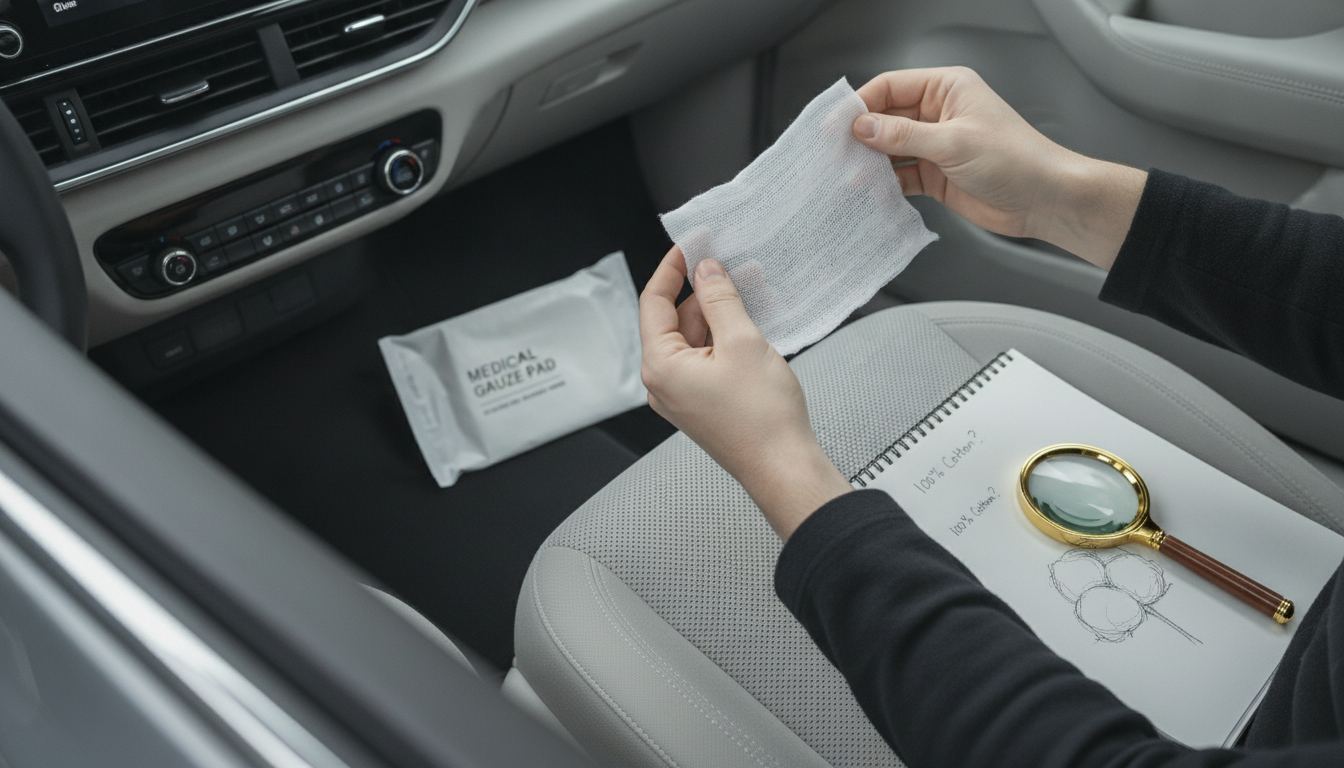
Is medical gauze 100% cotton?
Medical gauze is not always 100% cotton. While many traditional gauze pads and rolls are made from cotton, a large number of medical gauze products are blended with synthetic fibers (like polyester) or made from non-woven materials designed for specific performance needs. The exact fiber content depends on the product type, intended use, and manufacturer.
How to tell if a gauze product is 100% cotton
The most reliable way is to check the packaging or product listing for fiber content. Look for wording such as “100% cotton,” “woven cotton gauze,” or “cotton gauze sponge.” If the label emphasizes “lint-free,” “non-woven,” “rayon/poly blend,” or “polyester,” it’s likely not pure cotton. For clinical settings, product spec sheets often list materials more clearly than front-of-box marketing.
Why some medical gauze isn’t pure cotton
Different materials solve different problems. Cotton is soft, breathable, and absorbent, which can make it a good choice for general wound coverage and cushioning. Synthetic blends and non-woven options may be chosen to reduce lint, increase strength when wet, improve consistency, or support specific needs like low-adherence wound contact layers. In other words, “not 100% cotton” isn’t automatically lower quality—it can simply be optimized for a particular task.
Does cotton vs. synthetic matter for skin sensitivity?
It can. Some people prefer cotton for comfort, especially on delicate skin, but sensitivity can also come from adhesives, topical products, or wound drainage rather than the gauze fibers themselves. If irritation is a concern, choose products labeled as hypoallergenic when available and consider a non-adherent dressing for direct wound contact if sticking is an issue.
Where to learn more about cotton medical gauze
For a deeper breakdown of gauze materials, common labeling terms, and how to choose the right option, visit the main guide: https://enticingbuynest.shop/is-medical-gauze-cotton/.
FAQ
What is non-woven gauze used for?
Non-woven gauze is commonly used for dressing wounds when low lint and consistent absorbency are important. It can also be softer and less likely to shed fibers compared to loosely woven gauze.











Leave a comment