Smart WiFi Aroma Diffuser: Scheduling for Home & Business
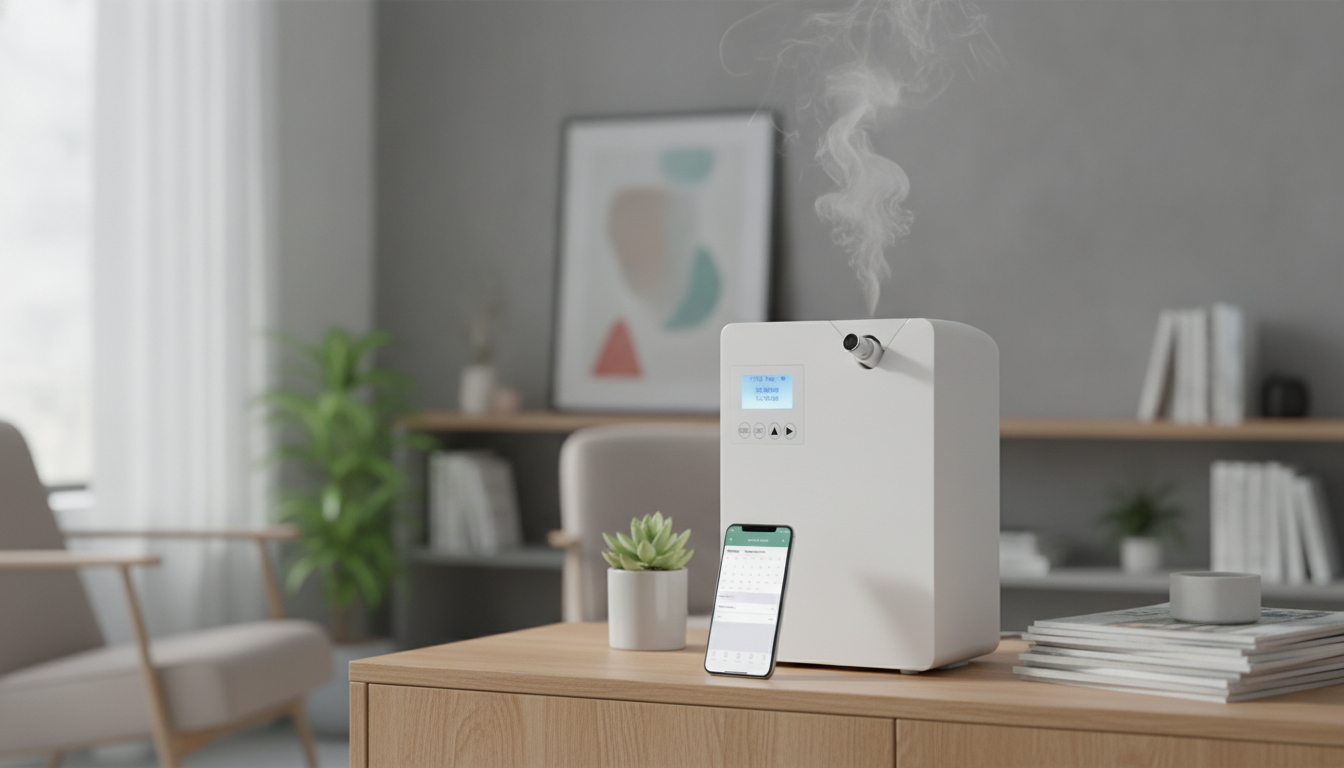
Smart WiFi Aroma Diffuser & Air Freshener for Home and Commercial Spaces
A connected aroma diffuser can do more than add a pleasant scent—it can automate schedules, keep fragrance consistent across busy areas, and help maintain a welcoming atmosphere in homes, offices, and customer-facing spaces. The right setup also helps avoid common issues like overpowering output, uneven coverage, and wasted refills. Below is a practical guide to choosing placements, building routines, and using fragrance responsibly in everyday life and professional environments.
What a Smart WiFi Aroma Diffuser Can Do
A smart WiFi aroma diffuser brings control and repeatability to something that’s usually hit-or-miss with plug-ins and sprays. Instead of guessing when the scent has faded, you can set a predictable schedule and adjust intensity based on the time of day.
- Remote control from a phone app for start/stop, intensity changes, and scheduling
- Timed routines for predictable fragrance coverage during work hours, open hours, or evenings
- Consistent scent output compared with passive air fresheners that fade quickly
- Better control for larger rooms and shared spaces where odors fluctuate throughout the day
- Useful for guest-ready homes, lobbies, studios, restrooms, and meeting rooms
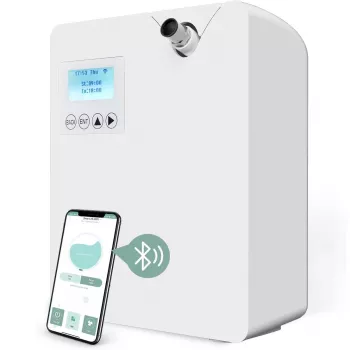
If you want a reliable, scheduled fragrance experience, consider the Smart WiFi Aroma Diffuser & Air Freshener for Home and Commercial Spaces, which is designed for both residential routines and customer-facing consistency.
Where It Fits Best: Home vs. Commercial Spaces
The best location depends on what you’re trying to achieve: a cozy “walk in and relax” vibe at home or a clean, professional baseline in a business. High-traffic areas benefit from scheduling plus a moderate intensity baseline, while odor-prone areas often do better with short, frequent cycles instead of constant output.
- Home: entryway, living room, kitchen-adjacent areas, bathrooms, laundry rooms, and home offices
- Commercial: reception areas, salons, yoga/fitness studios, clinics (non-treatment areas), retail floors, corridors, and restrooms
- High-traffic spaces benefit most from scheduling plus a moderate intensity baseline
- Odor-prone areas (trash, pets, food prep) often need shorter, more frequent cycles rather than constant output
Suggested settings by space type (starting points)
| Space | Goal | Suggested schedule | Intensity approach |
|---|---|---|---|
| Bedroom | Relaxation without overpowering | 30–60 min before sleep | Low |
| Living room | Welcoming everyday scent | 2–4 short cycles/day | Low–Medium |
| Kitchen-adjacent | Neutralize lingering food odors | After cooking for 30–90 min | Medium (short bursts) |
| Office / meeting room | Fresh, professional feel | Business hours only | Low–Medium |
| Retail / reception | Consistent brand experience | Open hours with breaks | Medium (steady) |
| Restroom | Odor control | Frequent short cycles | Medium–High (short bursts) |
Setup That Prevents Common Problems
Most “diffuser disappointments” come from placement and intensity, not the device itself. A few small choices up front can prevent uneven scent distribution, wasted refills, and that heavy, lingering cloud that turns people off.
- Place the unit where airflow can distribute scent (avoid corners blocked by furniture)
- Keep away from direct sunlight and heat sources to protect oils and electronics
- Use consistent WiFi coverage; if the app supports it, confirm the correct band during pairing
- Start with the lowest intensity and increase gradually to avoid “scent fatigue” and overpowering output
- For customer-facing spaces, test after hours first to confirm strength and longevity
For offices or front desks, a practical trick is to place the diffuser near (but not directly in) a main pathway of air movement—like a hallway junction or near an HVAC return—so the scent disperses evenly rather than concentrating in a single spot.
Choosing Fragrances for Comfort and Professionalism
In shared indoor air, the “best” fragrance is usually the one that’s subtle, clean, and easy to live with. Lighter profiles often feel fresher for longer, especially when people are coming and going throughout the day.
For additional guidance on fragrance material safety and best practices, reference established standards such as those provided by IFRA. For broader indoor environment considerations, the U.S. Environmental Protection Agency (EPA) indoor air quality resources are a helpful baseline.
Practical Routines for Busy Homes and Businesses
In a home office or shared workspace, pairing a clean, low-intensity scent schedule with an organized desk setup can make the whole space feel more intentional. If you’re refreshing a workstation, the Wireless Retro Typewriter Keyboard with Stand & Round Keycaps is an easy upgrade that complements a calm, consistent environment.
Cleaning, Maintenance, and Longevity
For pet households, odor control often works best as a system: litter area hygiene, trash control, and timed scent cycles in nearby corridors (not directly next to feeding or sleeping zones). If you’re tackling litter-area mess and odor at the source, the Stainless Steel Enclosed XL Cat Litter Box can help keep cleanup more contained.
Safety Notes for Shared Indoor Air
If pets are part of the space, it’s smart to review reputable safety resources and watch for sensitivity (sneezing, lethargy, avoiding the room). The ASPCA animal poison control resources can help you understand potential risks and when to contact a professional.
When a Smart WiFi Diffuser Is Worth It
FAQ
Can a WiFi aroma diffuser cover a large room or commercial area?
Coverage depends on room size, airflow, ceiling height, open doors, and intensity settings. Start at low intensity, test placement where air can circulate, and use scheduled cycles during peak hours to keep the scent even without overdoing it.
How often should the diffuser be cleaned to keep the scent consistent?
Wipe the exterior weekly to prevent dust from affecting vents and controls, and follow the manufacturer’s guidance for internal cleaning. If you switch scents or notice weaker output, clean sooner—residue can reduce performance and alter the fragrance.
Are essential oils safe to use around pets and children?
Use extra caution: keep oils and devices out of reach, run the diffuser in well-ventilated areas, and use low intensity with shorter cycles. Some oils can be irritating or harmful—watch for sensitivity and consult a veterinarian or pediatric guidance for specific concerns.






Leave a comment