Titanium Dynamic Driver IEMs: Swappable Filter Tuning
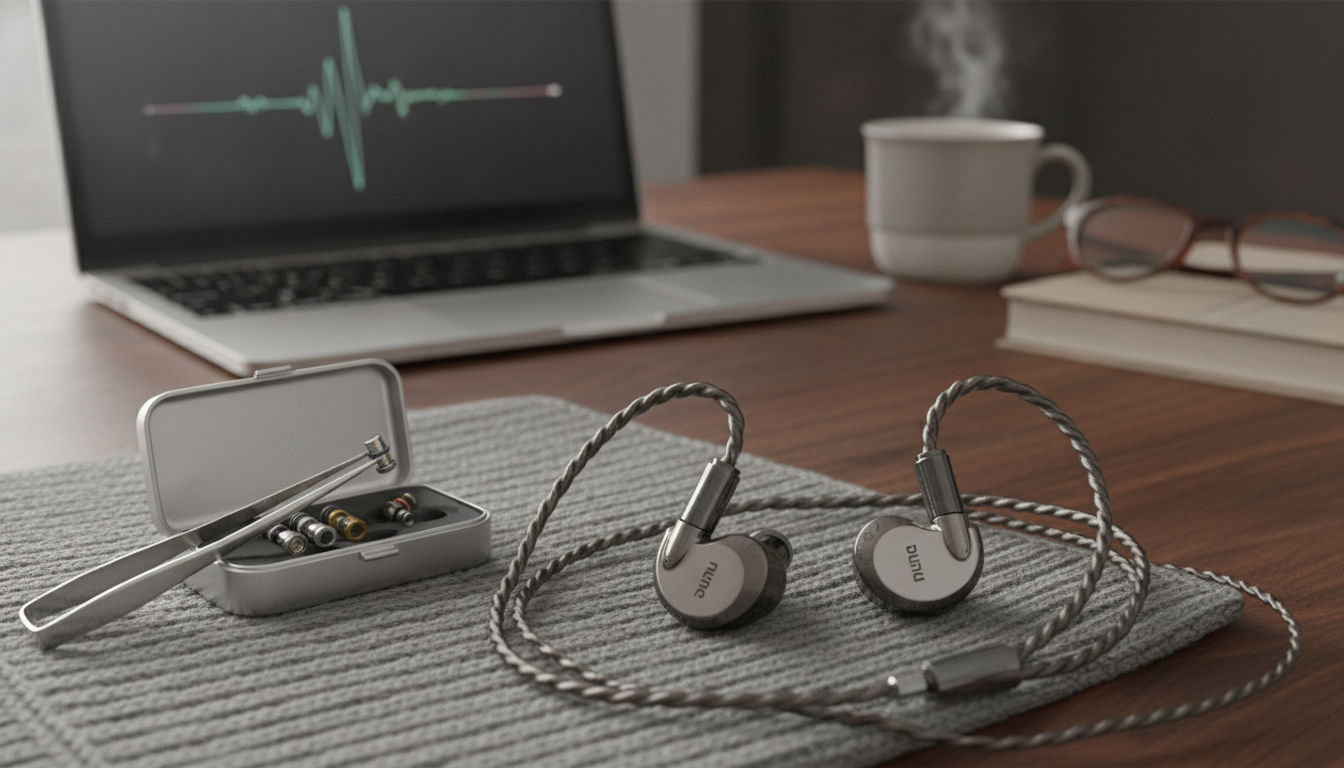
High-Performance Titanium Grey Dynamic Driver IEMs with Swappable Filters
Titanium-housed in-ear monitors (IEMs) with a dynamic driver are a practical blend of rugged build and musical sound. Titanium shells tend to feel premium in the hand while staying resistant to daily wear, and dynamic drivers are favored for their cohesive presentation, punchy bass, and natural note weight. Add swappable filters, and the same IEM can shift from crisp and airy to smooth and relaxed without relying on EQ or app profiles.
This guide explains what titanium and a dynamic driver typically bring to the table, how nozzle filters influence tuning, and the fastest setup steps for a comfortable seal and consistent performance.
What Makes a Titanium Dynamic-Driver IEM Different
Titanium shells are valued for rigidity and durability. Compared with softer materials, a rigid housing can help reduce unwanted resonance that sometimes adds a “hollow” coloration. While tuning matters more than any single material choice, titanium’s stiffness and wear resistance make it a smart match for a daily-use IEM that sees commutes, office time, and travel.
Dynamic drivers are often chosen for a cohesive, “all-of-a-piece” sound—especially through bass and lower mids—because a single diaphragm is handling the full range rather than splitting duties across multiple driver types. That can translate to bass with realistic weight, rounded edges on notes, and a more natural decay on instruments like kick drums, bass guitar, and toms.
Fit is the make-or-break factor. A small seal leak can shave off bass and lower-mid body, making the overall sound seem thinner than it really is. Tip fit changes frequency balance more dramatically than many cable swaps, so it’s worth spending a few minutes to find the right tip size and shape.
Swappable filters add a mechanical, repeatable way to fine-tune the frequency balance without EQ. Instead of chasing settings per device, filters let you make a consistent change at the nozzle—where small differences in damping and resistance can noticeably shift treble energy and perceived openness.
Swappable Filters: What They Change and Why It Matters
Most swappable filters influence the upper mids and treble by changing how air and pressure move through the nozzle. In simple terms, more open filters tend to feel brighter and more immediate, while more damped filters tend to soften edges and reduce fatigue. These shifts affect vocal forwardness, cymbal bite, and how “open” the soundstage feels.
Because filters change the acoustic path right at the exit point, the effect is usually easy to hear with familiar tracks—often more obvious than subtle accessory changes, but not as dramatic as switching to an entirely different IEM.
Practical filter-tuning outcomes (typical behavior)
| Filter direction | Perceived sound change | Best for | Possible trade-offs |
|---|---|---|---|
| More open / brighter | More treble sparkle and air, sharper transients | Detail-focused listening, low-volume listening | Can expose sibilance, less forgiving |
| Balanced | Even tonal balance, steady vocals and controlled highs | Mixed genres, everyday use | May not maximize “wow” at either extreme |
| More damped / smoother | Softer treble, thicker mids, reduced edge | Long sessions, bright recordings, sensitive ears | Less perceived micro-detail and air |
Tip choice can amplify or counteract a filter. Wide-bore tips often feel more open and spacious, while narrow-bore tips can add warmth and perceived bass. If a brighter filter gets too sharp, a narrower-bore tip may bring things back into balance. If a smoother filter turns the sound too thick, a wide-bore tip can restore clarity.
Fit, Tips, and Seal: The Fastest Way to Improve Sound
Start with the seal. With a stable seal, bass should sound full (not boomy), and outside noise should drop noticeably. If bass seems to “disappear” between songs or when you move your jaw, it’s usually a leak rather than a lack of bass in the tuning.
Source Pairing and Power: Getting the Most from a Dynamic Driver
For a deeper technical reference on how IEM measurements are typically taken with an ear-coupler standard, see IEC 60318-4 (occluded-ear simulator) overview. For safe listening habits and sound level basics, the NIDCD guide to noise-induced hearing loss is a solid starting point.
Everyday Use: Isolation, Comfort, and Durability
Quick Setup Checklist (Filters + Tips + Listening Test)
In-Stock Picks
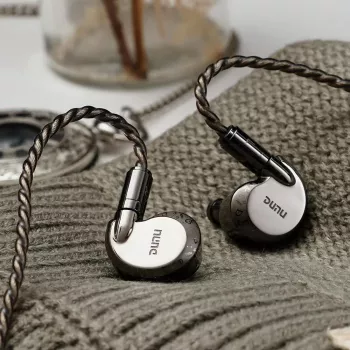
- High-Performance Titanium Grey Dynamic Driver IEMs with Swappable Filters — Titanium build with filter-based tuning flexibility for day-to-day listening.
- Wireless Retro Typewriter Keyboard with Stand & Round Keycaps — A desk-friendly add-on for work and listening sessions.
- 3D Puzzle Golden Coin Turtle — A relaxing off-screen break between playlists.
FAQ
Do swappable filters actually change the sound in a noticeable way?
Yes—filters change damping and resistance at the nozzle, which commonly shifts treble energy and upper-mid presence. The difference is often easier to hear than subtle cable changes, especially when you compare filters back-to-back with the same tips and the same track.
Why does bass disappear when the fit seems fine?
Most of the time it’s a small seal leak caused by tip size, shallow insertion, or jaw movement breaking the seal. Trying a different tip material (foam or a different silicone shape) usually fixes it, and a clogged nozzle can also tilt the balance by reducing treble and changing perceived bass-to-treble ratio.
How should filters be cleaned or maintained?
Use gentle dry brushing and avoid liquids that can clog the mesh or trap debris. Store spare filters in a clean case and replace any filter with damaged mesh; when cleaning, avoid pushing wax or dust deeper into the nozzle.









Leave a comment