Magnetic Brake Baitcasting Reel: 12+1 Bearings Guide

High-Performance Baitcasting Reel with Magnetic Brake and 12+1 Bearings
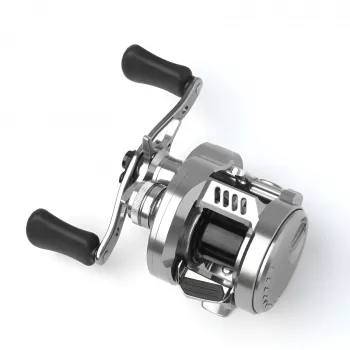
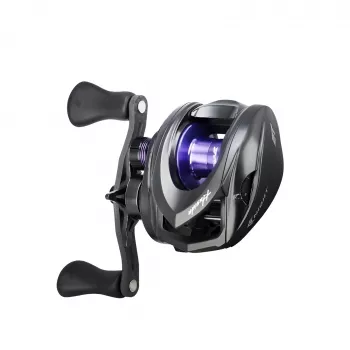
A baitcasting reel built for controlled casting and smooth retrieves can make a noticeable difference when targeting bass, pike, or inshore species. This model pairs a magnetic braking system with a 12+1 bearing build to help reduce overruns while keeping the handle turn fluid under load. If the goal is cleaner casts, fewer blow-ups, and a retrieve that stays consistent across a full day on the water, the right brake and bearing setup matters.
If you’re ready to upgrade or replace a workhorse reel, you can find the High-Performance Baitcasting Reel with Magnetic Brake and 12+1 Bearings currently listed as in stock.
What a Magnetic Brake Does on the Water
Magnetic braking adds controlled resistance to the spool as it spins, helping manage line speed throughout the cast. As the spool accelerates and then begins to slow, the brake helps prevent the spool from “outrunning” the lure—one of the main causes of backlash on baitcasters (more background on the reel type is available from Wikipedia’s baitcasting reel overview).
- When to increase braking: casting into a headwind, throwing lighter lures, skipping under docks, pitching tight targets, or when getting comfortable with a new baitcaster.
- When to decrease braking: heavier lures, long “bomb” casts, and calm conditions once thumb timing is consistent.
- Magnetic brake vs. spool tension: the brake helps manage spool speed during the cast; spool tension mostly sets the initial start-up feel and controls early spool acceleration.
A practical approach is to treat magnetic braking like a “conditions knob.” Wind picks up or you change lure style? Add brake. Calm water and a heavier bait? Dial it down for distance.
Why 12+1 Bearings Matter (and When They Don’t)
A 12+1 bearing design is intended to support smoother rotation and more consistent feel—especially noticeable when retrieving steadily or working resistance baits that load the reel. In real-world use, bearings most often influence three things: start-up smoothness, the feel of handle rotation, and how consistently the reel stays “refined” under moderate load.
- Where quality shows up: stable alignment, reduced vibration, and a more polished retrieve—particularly with crankbaits, spinnerbaits, and chatterbaits.
- What bearings won’t fix: poor spool setup, line that’s too stiff or mismatched, or lures that are below the comfortable casting range of your rod/reel pairing.
- Maintenance tip: clean bearings periodically and use light, reel-safe lubrication. Too much oil can slow the spool and reduce casting performance.
In other words, bearing count helps, but setup and maintenance still do the heavy lifting. A well-tuned reel almost always outcasts a poorly tuned one, regardless of bearing number.
Casting Control Setup: A Simple Starting Routine
For consistent casting with fewer overruns, start with a repeatable baseline and adjust one variable at a time.
- Step 1: Set spool tension so the lure drops smoothly and the spool stops shortly after the lure hits the ground.
- Step 2: Start with higher magnetic brake to prevent early backlash, then dial down gradually as thumb control improves.
- Step 3: Match line to technique—braid for sensitivity and vegetation, fluorocarbon for clear water and bottom contact, mono for general-purpose handling.
- Step 4: Use thumb control at splashdown; many overruns happen right as the lure lands and the spool tries to keep spinning.
Quick Setup Guide for Common Situations
| Situation | Spool Tension | Magnetic Brake | Notes |
|---|---|---|---|
| Headwind or crosswind | Slightly tighter | Higher | Focus on smooth acceleration; avoid snapping the cast. |
| Heavier lures (e.g., jigs, larger cranks) | Moderate | Medium | Dial brake down gradually for distance. |
| Lighter lures (near the reel’s low end) | Moderate to tighter | Higher | Use a controlled lob cast; consider thinner diameter line. |
| Skipping under cover | Moderate | Higher | Short, low-trajectory casts; thumb early and often. |
If you’re newer to baitcasters, pairing this routine with a straightforward tackle foundation can speed up the learning curve (see Fishing Tackle Basics from Take Me Fishing for a solid refresher on core gear and roles).
Where This Reel Fits Best: Techniques and Species
Magnetic braking shines when casts vary—different angles, different wind, different lure profiles. It’s especially useful for anglers who do a lot of target casting, reaction bait fishing, or frequent lure changes throughout the day.
For anglers who track rules, records, or best practices for ethical sportfishing, the International Game Fish Association (IGFA) is a helpful reference point.
Comfort, Durability, and Maintenance Basics
Key Details at a Glance
Product Snapshot
| Item | Details |
|---|---|
| Product name | High-Performance Baitcasting Reel with Magnetic Brake and 12+1 Bearings |
| Braking | Magnetic brake |
| Bearings | 12+1 |
| Availability | In stock |
| Price | $191.51 USD |
More In-Stock Picks
- Wireless Retro Typewriter Keyboard with Stand & Round Keycaps
- 3D Puzzle Golden Coin Turtle
- Stainless Steel Enclosed XL Cat Litter Box
FAQ
How do magnetic brakes help prevent backlash?
Magnetic brakes slow the spool during the cast—especially as the lure begins to slow down—so the spool is less likely to overrun the line. For best results, pair the brake with proper spool tension and steady thumb control at splashdown.
Is a 12+1 bearing reel always smoother than one with fewer bearings?
Not always. Bearing count can help, but bearing quality, placement, and maintenance are just as important, and a well-built reel with fewer bearings can still feel excellent.
What line works best on a baitcasting reel for beginners?
A manageable diameter mono or a braid-to-leader setup is often easiest to handle while learning. Start with lures that properly load the rod and keep brake and tension slightly conservative until your thumb timing is consistent.









Leave a comment